 Twynon
Wholesale shops in Nakuru: 5 safe checks and prices
Wholesale shops in Nakuru live off the grade more than the piece count, and a single poor gunia can wipe out a week of margin. Here is how pricing works and what to open before you pay.
Twynon team
5 November 2026 · 4 min readWholesale shops in Nakuru sell to people who intend to resell, which changes how you should behave inside one. Prices move with the bale, the grade and the quantity. A single poor gunia can wipe out a week of margin. This guide covers where the trade sits and how bale pricing works. It also explains what the grades mean, and which checks separate a good purchase from an expensive lesson. Every figure here is indicative, so confirm it before you travel.
Where the wholesale trade sits in Nakuru
Mike Power Wholesalers is in the CBD opposite Ngata stage near the CBD Mosque, so a matatu drop is short. Mambo Wholesalers is on Nehru Road. DB Electricals and Hardware is on Pandit Nehru Road opposite the former Tuskys Magic.
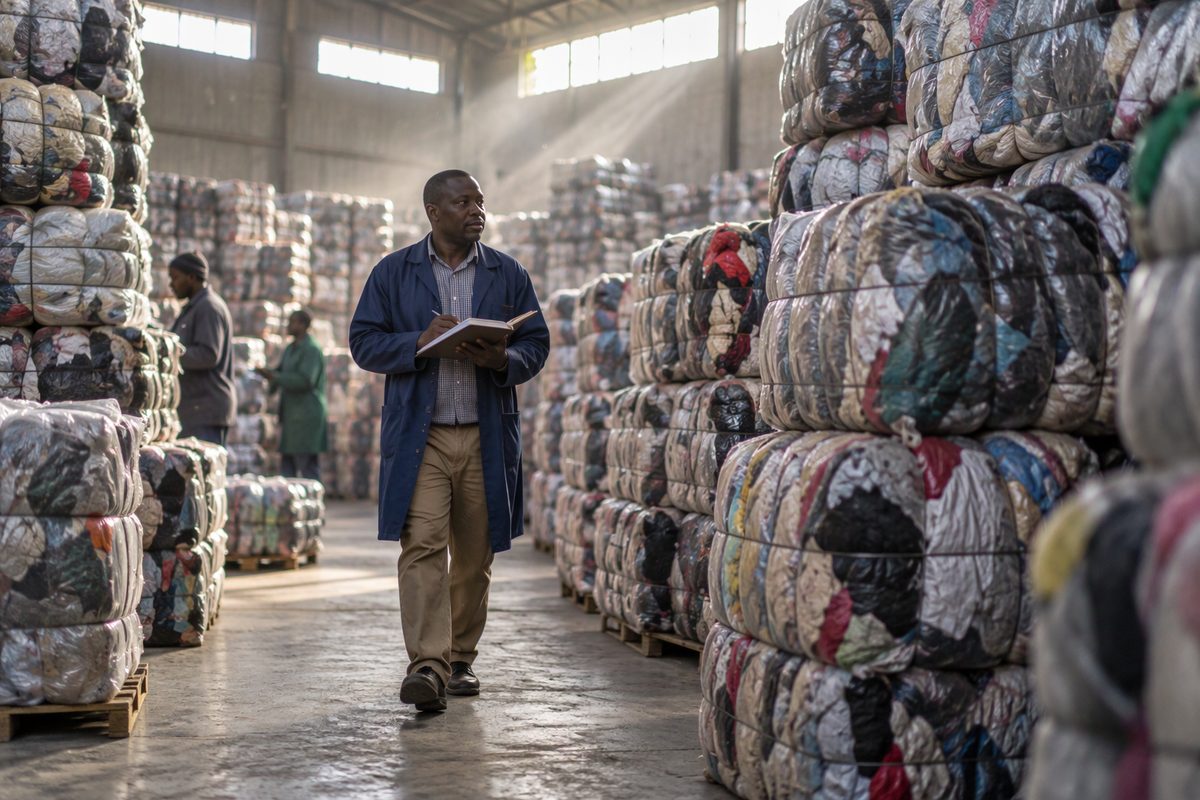
Clothes move through sellers such as Mwai Mitumba Bales. It advertises a gunia of about 25 pieces at about KES 2,000 and a full bale at about KES 20,000.
Discounted retail is a different trade and a useful benchmark. Think Twice has three Nakuru shops. One is on Kenyatta Avenue near KFA next to KRA, one on Biashara Street at Shabab opposite Nyamakoroto House, and one on the ground floor of Kenlands Plaza. Promo prices have been advertised at a maximum of KES 50 for children's clothes, KES 75 for adults' clothes and KES 100 for shoes and heavy textiles. Dura Poa Nakuru has advertised a maximum price of KES 70, with clothes from about KES 50. Seven Sunday is mentioned as having a Nakuru branch but no verified address, so confirm the location first.
What a gunia actually holds
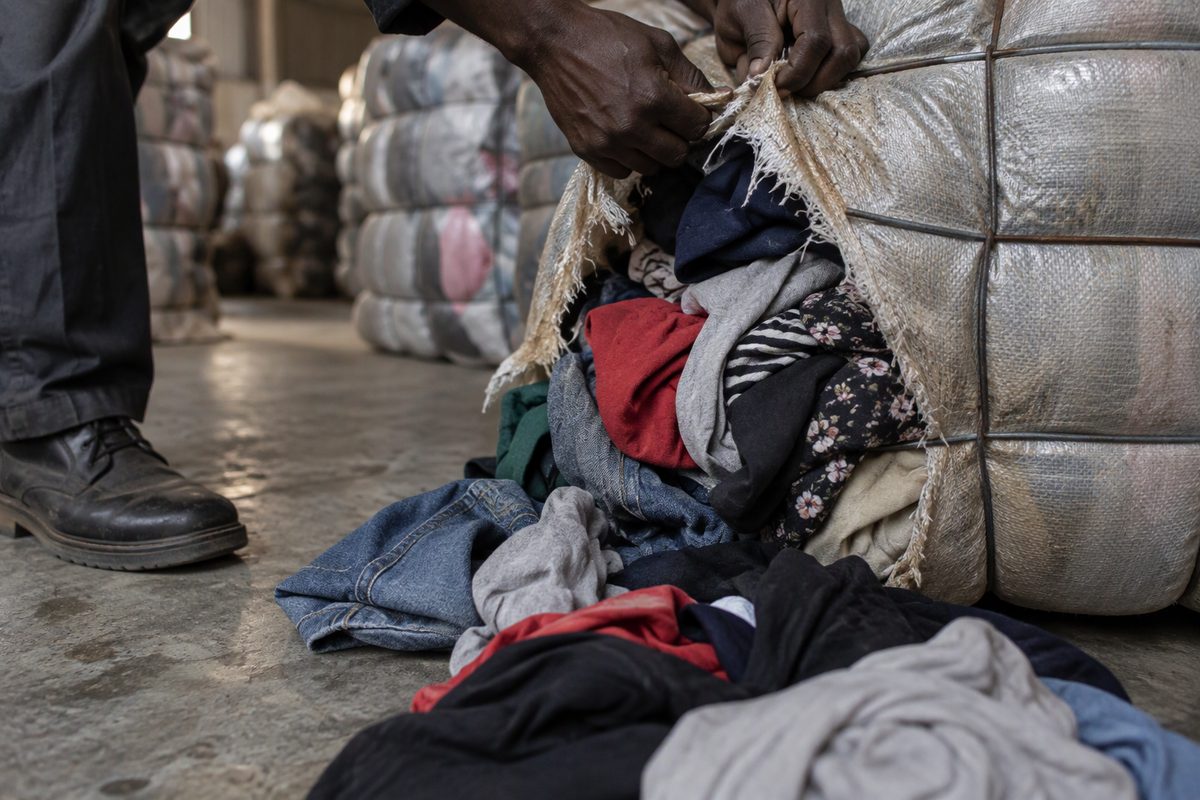
A gunia is a compressed sack, not a tidy bundle of 25 matching shirts. Expect a mix of styles, sizes and quality inside one sack. That is why the piece count tells you less than the grade does. Ask how the bale was packed: sorted by category, or mixed. A mixed bale is cheaper per piece and slower to sell. You will be sorting, photographing and pricing each item yourself.
Household goods and electricals
Household wholesalers sell in cartons rather than singles, so a dozen plates or a set of sufuria arrive as one unit. Electricals carry the extra risk of a fake. Check the KEBS mark on the plug, the cable and the packaging. Then text the permit number to 20023 to confirm the product is certified. A wholesaler who cannot show a permit number for a kettle is selling you a return.
How wholesale shops in Nakuru set a price
Wholesale price depends on quantity, payment and relationship. A full bale costs less per piece than a gunia, and a repeat buyer often gets a better rate than a first timer. Ask for the price per piece as well as the price per bale, so two sellers can be compared fairly. Ask whether the quote includes transport to the stage, and whether a deposit holds the stock or only reserves it. Cash on collection is normal, and credit is earned over months rather than granted on a first visit.
Reading bale grades
A national bale guide puts grade 2 from about KES 3,000 and grade 1 from KES 10,000 to 100,000. Treat aggregator figures as indicative. Grade labels are not standardised, and one seller's grade 1 is another seller's grade 2. Ask what the grade promises: wearable without repair, or wearable after a wash. Then open two bales of the grade you want and compare them before committing to twenty.
What to inspect in a Nakuru wholesale shop before you pay
Open the bale in the shop, not at home. Check the top layer, then ask the seller to open the middle, because the best pieces sit where you can see them. Count the pieces in front of the seller and write the number on the receipt. Look for damp, mildew smell, holes at the seams and faded prints. On electricals, plug one unit in and switch it on. Keep the receipt and save the seller's phone number, since a dispute needs a name.
The risk of buying a bale unseen
Photos and videos show one bale, not yours. A seller who refuses to open a bale is asking you to carry all the risk. So is one who insists on full payment to a personal number before you see stock. Pay a deposit only with a written balance date, and prefer a seller you can walk back to. If the deal runs online, ask for a live video of the bale being opened with a visible date. Never send the balance before the count.
Resellers trust wholesale shops in Nakuru that answer the same question the same way twice. If you would rather compare several sellers in one place, post what you need on the Looking For feed and let them respond. You can also read the second hand clothes guide for the retail side, or browse current listings.
FAQ
How much is a bale of clothes in Nakuru?
A gunia of about 25 pieces has been advertised at about KES 2,000, and a full bale at about KES 20,000. National guides put grade 2 from about KES 3,000 and grade 1 from KES 10,000 upwards, so compare grades rather than totals.
Do I need a business permit to buy wholesale?
Most sellers will serve you without one, but a permit helps when you resell formally. Registration runs through the Business Registration Service. Ask what the seller needs for a repeat account, since terms improve with volume.
Can I return a bale I do not like?
Rarely. Bales are usually sold as seen, so open and count in the shop before paying. Get any return promise written on the receipt.
Twynon team
Writes the buying and selling guides on the Twynon blog.