 Twynon
Second hand clothes in Nakuru: 3 shops, best prices
Second hand clothes in Nakuru sell by the piece, and the difference between a good trip and a bag of regrets is settled before you pay. Here is where to start, what day to go, and what to check in your hand.
Twynon team
5 November 2026 · 4 min readSecond hand clothes in Nakuru sell by the piece. The difference between a good trip and a bag of regrets is usually settled before you pay. Three things decide it. Which shop you start at matters, what day you go matters, and the garment in your hand matters most. So inspect it instead of trusting the label.
Where second hand clothes are sold in Nakuru
Think Twice runs three shops in town, and the addresses matter because the stock and the queue differ. One sits on Kenyatta Avenue near KFA and next to KRA. Another is on Biashara Street at Shabab, opposite Nyamakoroto House. The third is on the ground floor of Kenlands Plaza.
Dura Poa Nakuru trades on price. It has advertised a maximum of KES 70 on a given day, with clothes from about KES 50. Seven Sunday is mentioned online as having a Nakuru branch, but no address has been verified. So call before you travel. Prices change, so confirm the current figure before you leave the house.
How per piece pricing works on second hand clothes
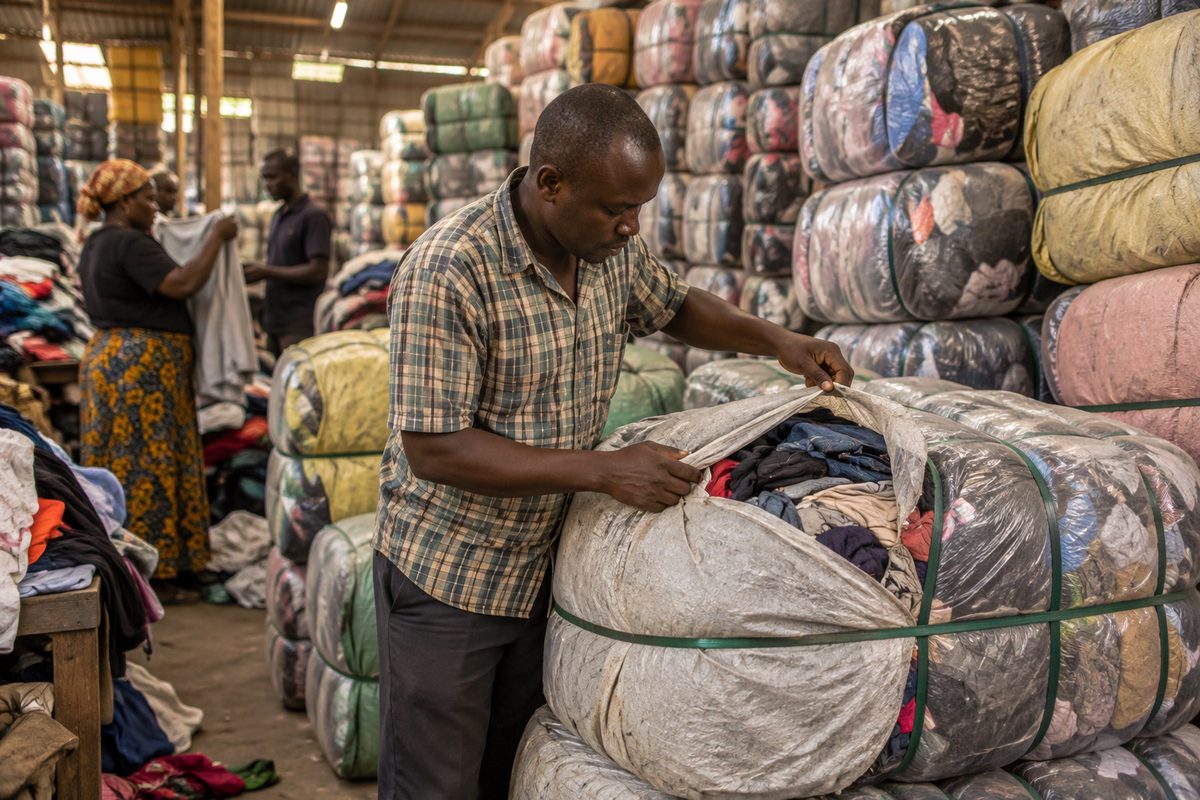
A shop opens a bale, sorts it by type and size, then hangs or piles it. You pay per piece, not per kilo and not per bag, unless the shop is clearing older stock. Ask the attendant which rail the new bale landed on. The first day is when the best pieces are still there.
Put the hanger back on the rail and the rejected piece back on the pile. Attendants remember who makes their work harder, and a helpful attendant will point you to the right rail.
There are no returns on most second-hand purchases. So treat every piece as final sale and inspect it while you are still standing in the shop.
Promo days for second hand clothes in Nakuru
Think Twice has advertised promo days with a ceiling of KES 50 for children's clothes and KES 75 for adults' clothes. Shoes and heavy textiles go up to KES 100. A ceiling price changes the maths. You stop asking whether one shirt is worth KES 200. Instead you start asking how many pieces fit a fixed note.
Go early. Stock is set out in the morning and the floor is picked over by lunch. Carry a short list of what the household actually needs: two school shirts, one pair of trousers, a warm jacket. A list keeps a cheap ceiling from turning into a reason to buy things nobody asked for.
What to inspect on second hand clothes
Hold the piece to the light and look along the seams, especially the underarm and the crotch. Run the zip up and down twice. Also check the collar for ring marks and the cuffs for fraying. Turn shoes over and press the sole; a sole that flexes away from the upper is finished. Count the buttons, because a spare shirt button is cheap to replace and a missing coat button is not.
Smell matters. A piece that smells of damp has been stored wet, and washing rarely brings the fibre back.
Sizes, labels and alterations
Sizing varies by origin. A medium from one country is a large from another. A 32 waist is a suggestion rather than a measurement. Know your own numbers for chest, waist and inseam. Then measure the garment laid flat instead of reading the letter on the label.
Alterations are affordable in town and worth pricing before you buy. A hem or a waist take in is small money. A tailor near Biashara Street or the market can finish in a day or two. If a piece needs more than two fixes, leave it on the rail.
Leaving with a bag you will wear
The common mistake is buying volume. Ten pieces at KES 75 feel like a win until four of them never leave the wardrobe. Pick a colour range that works with what you already own. Then refuse anything that needs a shoe you do not have.
If the exact piece is missing, post the request on the Looking For feed and let a seller bring it to you. That beats walking the same three streets twice. You can also check our guide to new clothes in Nakuru if the garment has to last a uniform year. Otherwise browse what is listed before you travel.
If you are buying a bale to resell
A sealed bale is a gamble. Mwai Mitumba Bales advertises a gunia of about 25 pieces at about KES 2,000. A full bale is advertised at about KES 20,000. A national guide puts grade 2 bales from about KES 3,000 and grade 1 from about KES 10,000 to 100,000. Treat those aggregator figures as indicative.
Finally, ask to see the grade and ask whether the bale has been opened. A seller who refuses both questions is selling you a lottery ticket at a fixed price. Resellers also post stock on Facebook Marketplace, where the same bale can be compared across sellers.
FAQ
Are there fitting rooms in Nakuru mitumba shops?
Most shops have no fitting room or only a curtained corner. Wear a thin top and leggings so you can try a piece over them. Then check the length against your own body in a mirror.
Can I return a mitumba piece I bought in Nakuru?
Usually no. Most second-hand sales are final, so inspect seams, zips and soles before you pay. Ask the attendant about exchanges before the money leaves your hand.
When is the best time to shop for mitumba in Nakuru?
Early on a promo day, when the new bale is still on the floor and the queue is short. Weekday mornings are calmer than Saturday afternoons.
Twynon team
Writes the buying and selling guides on the Twynon blog.