 Twynon
Cash on Delivery in Kenya: What to Check Before You Pay
Cash on Delivery in Kenya lets you inspect the parcel before you pay, but only inside narrow limits. Here is what Jumia allows, what is excluded, and where the risk sits.
Twynon team
5 November 2026 · 4 min readCash on delivery in Kenya is the simplest trust mechanism in the country. You order, the parcel arrives, you look at it, and only then do you pay. It protects the buyer and puts real risk on the seller. Both sides should learn the rules before the first order, because the limits are narrower than the adverts suggest. Search online and you will find many shops promising it, and very little detail about what is excluded.
How cash on delivery works
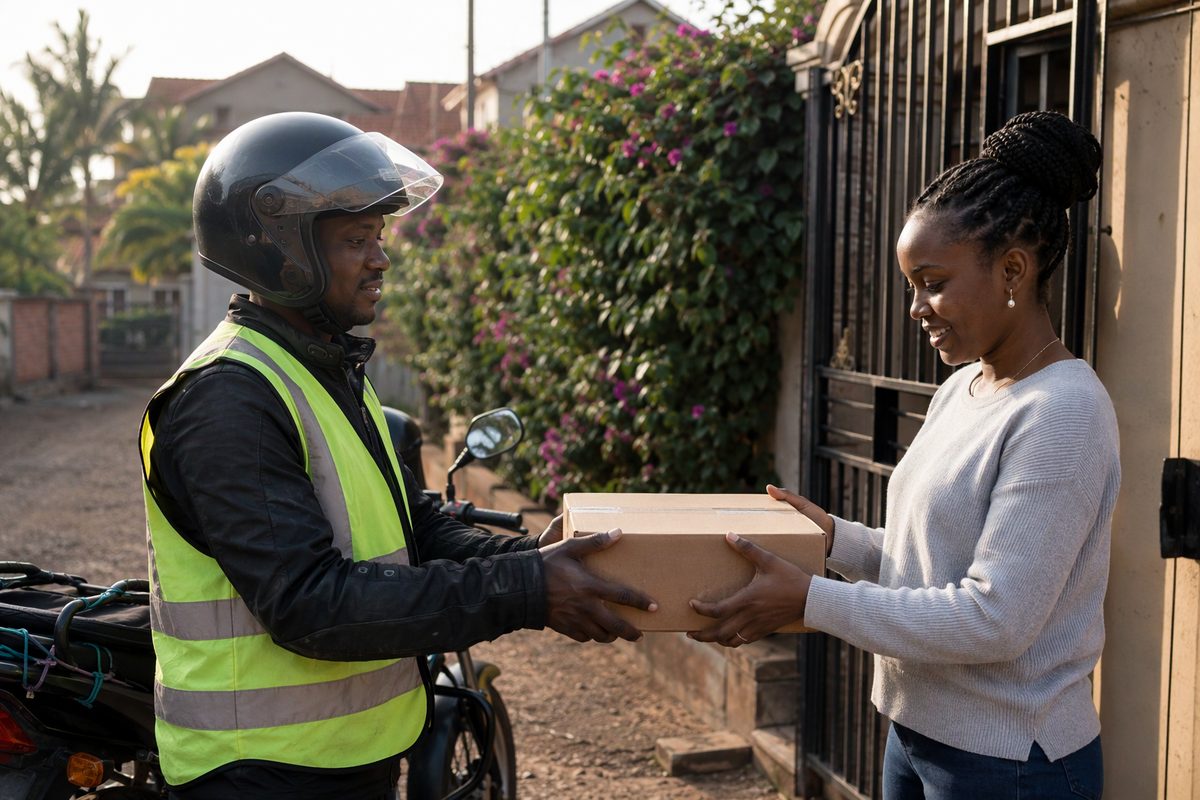
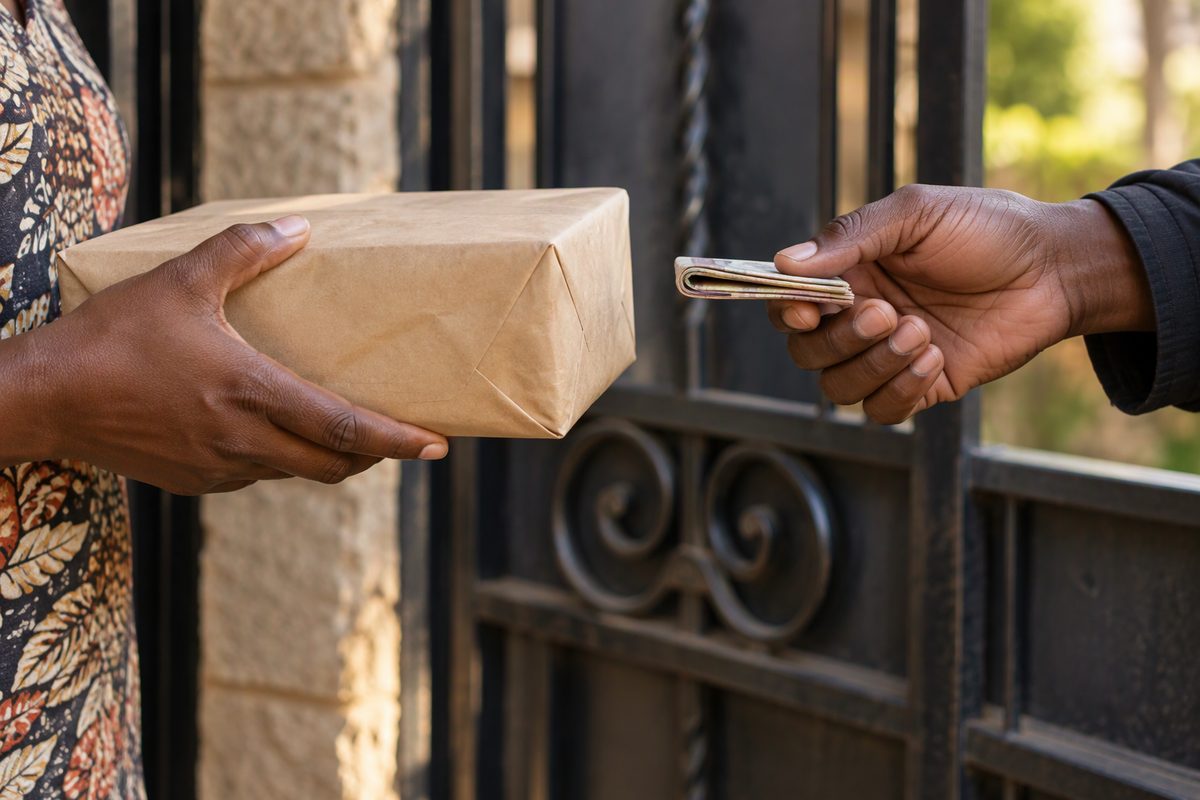
The flow is simple. You place an order, the seller dispatches by rider, courier or pickup station, and you pay when the parcel reaches you. Payment is usually cash, but some platforms accept mobile money and cards at the door. Then the rider collects, the courier settles with the seller, and the order closes.
The sequence is the important part. You pay after the parcel is in your hands, not after a photo of a parcel. So anything that asks for money before dispatch is a deposit, not cash on delivery. Judge that offer as a different deal.
Which stores offer cash on delivery in Kenya
Jumia is the clearest example. Its cash on delivery option lets you pay by cash or card after reviewing the order. You may also refuse the order without paying. JumiaPay on delivery accepts M-Pesa, Airtel Money and cards as well. However, restrictions apply to some regions, pickup stations, products and order amounts. There is no published exclusion list, so check at checkout.
Meanwhile, Kilimall does not support cash on delivery. If you order there, expect to pay first. Pickup can still be cheap. A 2023 page lists about KES 139 for G4S pickup in Nairobi and KES 69 for Kilishop, indicative only. Kilishop also holds parcels for up to 14 days.
Smaller shops on Instagram and WhatsApp often offer it informally. Ask three questions: who carries the parcel, what the delivery fee is, and what happens if you refuse. Also, get the answers in writing.
What you can inspect before you pay
First, you can inspect the outside. Check the packaging for tears, water damage and tape that has been cut and resealed. The label must match your name and order. Count the parcels. Then check the model number or size printed on the box.
You cannot unseal a sealed item before paying. Jumia's rule is clear on this. A sealed phone box stays sealed until money changes hands. If the outer box is damaged, refuse it and say why. If the item is wrong after you open it, that becomes a return, not a refusal. The return window matters more than the argument at the gate.
The exclusions to expect
However, cash on delivery is not available everywhere. Jumia applies restrictions around some regions, pickup stations, products and order amounts. Other sellers set their own limits. Because no platform publishes a complete list, the reliable check is the checkout page. Ask the question directly before you order. Fees change, so request the current delivery quote and the cash limit in writing. If the seller cannot state the fee before dispatch, treat that as a warning.
If your area is excluded, a pickup station is often the workaround. You collect, you inspect, you pay. Our guide to pickup stations in Kenya explains the hold periods and the ID rules.
The seller's side: refused parcels and deposits
A refused parcel costs the seller twice. The outward trip and the return trip are both paid, plus the time the item spends out of stock. Cash also creates a handling problem, because the rider carries money and reconciliation happens later.
Three habits reduce the damage. First, confirm every order by phone before dispatch, so the buyer expects the parcel and the address is real. Second, ask for a small deposit on custom, bulky or high value orders. Say clearly that the deposit covers the return trip if the parcel is refused. Third, offer a pickup station for buyers who are hard to reach, since collection is more reliable than a gate. Also, agree any deposit in writing, not only on a call.
Keep a record of every dispatch: order number, rider, amount to collect and time. When a buyer disputes, that record is your evidence. Sellers who want more groundwork can read how Twynon works and compare services before they publish an offer.
Buyers post what they want on the Looking For feed, so you can answer with a clear cash on delivery offer. Jumia publishes its current payment and delivery options on its own site, so check there before you promise a buyer anything.
FAQ
Can I open a sealed phone before paying cash on delivery?
No. Sealed items stay sealed until you pay. Inspect the outer packaging, refuse a damaged parcel, and raise a return after payment if the item is wrong.
Is cash on delivery available in Nakuru?
Sometimes. Jumia applies regional restrictions, and smaller sellers decide case by case. Confirm your town and pickup point before ordering.
What happens if I refuse a parcel?
The seller pays for the return trip and may keep a deposit. Repeat refusals can get cash on delivery withdrawn for your number.
Twynon team
Writes the buying and selling guides on the Twynon blog.