 Twynon
Pickup Station in Kenya: How Collection Works in Practice
A pickup station in Kenya turns a failed handover into a short walk. Here is how long a parcel waits, who may collect it and what it costs.
Twynon team
5 November 2026 · 4 min readA pickup station in Kenya is the answer to the delivery that failed at your gate. A rider calls at 11 am. Meanwhile, you are in a meeting in Nairobi CBD, and by evening the parcel is back at the depot. So the parcel waits at a shop near you instead of chasing your house. You walk in with an ID and collect. This guide covers the network, the deadlines, the ID rules and the money side.
How pickup station collection works
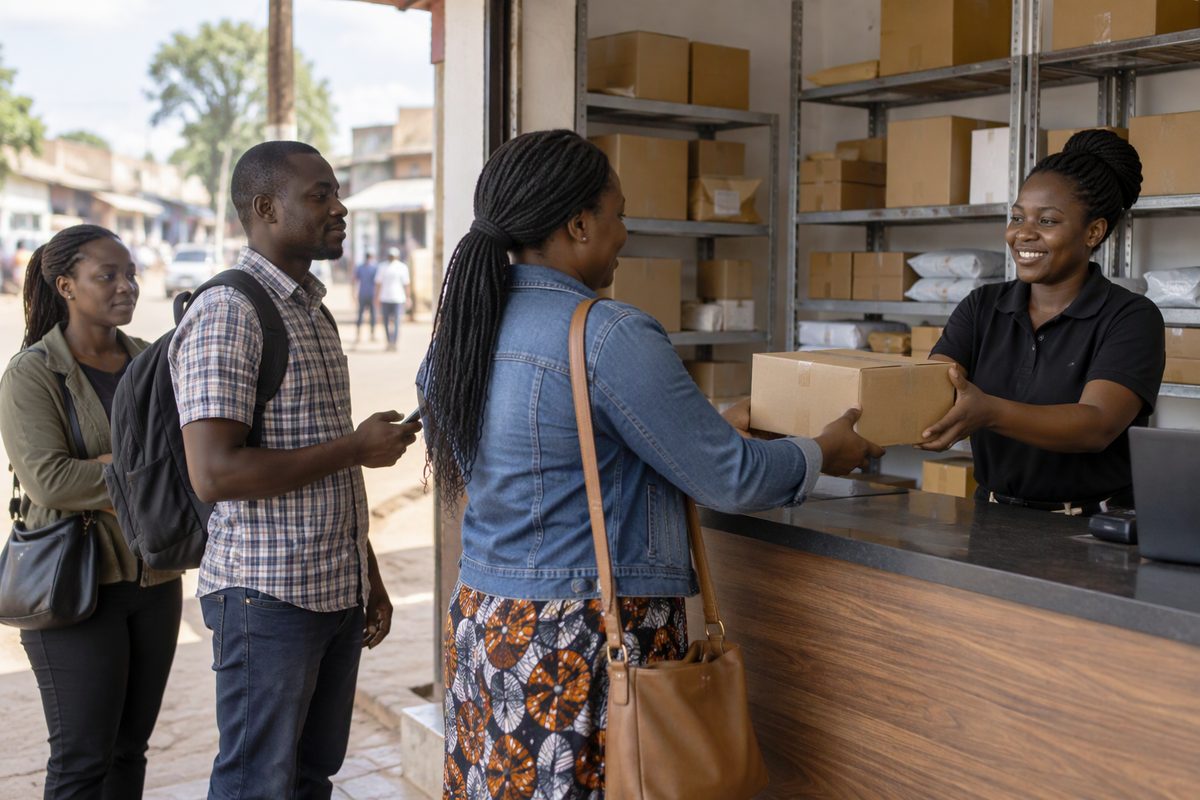
Three parties touch the parcel. The seller packs it, a logistics partner moves it, and an agent at the receiving station scans it in. That scan then triggers an email, an SMS and a push notice if you have the app installed. Then you collect in person, the agent checks your document, and the record closes.
First, the networks are wider than most buyers assume. Jumia runs stations in 40 or more counties, including Nairobi, Kiambu and Nakuru. Karibu Parcels has 170 or more pickup points across 38 or more counties. It tracks each parcel by a Parcel Number. Pickup Mtaani works through 150 or more agent points in small shops. It settles pay on delivery money to the seller's wallet, not to the agent.
The last mile shrinks from your gate to a counter you already pass. As a result, the parcel no longer depends on whether you are home.
Choosing a pickup station in Kenya at checkout
The list appears after you pick your town and before you pay. Instead, read it like a map, not a menu. Check the distance from your house or your office, the closing time, and whether the station opens on Sunday.
Kilimall gives you G4S or Kilishop. For G4S you name the collector and give their ID number in advance. So decide who is collecting before you pay. If you work late, a station that shuts at 6 pm is a poor choice. A slightly further one that shuts at 8 pm works better.
If you are still comparing sellers, the Looking For feed lets you post the item. Then sellers come to you.
Hold periods you should write down
A station is not a warehouse. Jumia asks you to collect within 5 days of the parcel being ready, or the order is cancelled. Kilimall asks for collection within 1 to 3 days of arrival. The maximum hold is 7 days at a G4S point and 14 days at Kilishop.
Past the limit, the parcel goes back to the seller and a second delivery fee applies. So set the reminder for the day the SMS lands, not for the day before the deadline. Our guide on delivery time in Kenya explains how hold periods sit inside the wider estimate.
ID rules and who can collect
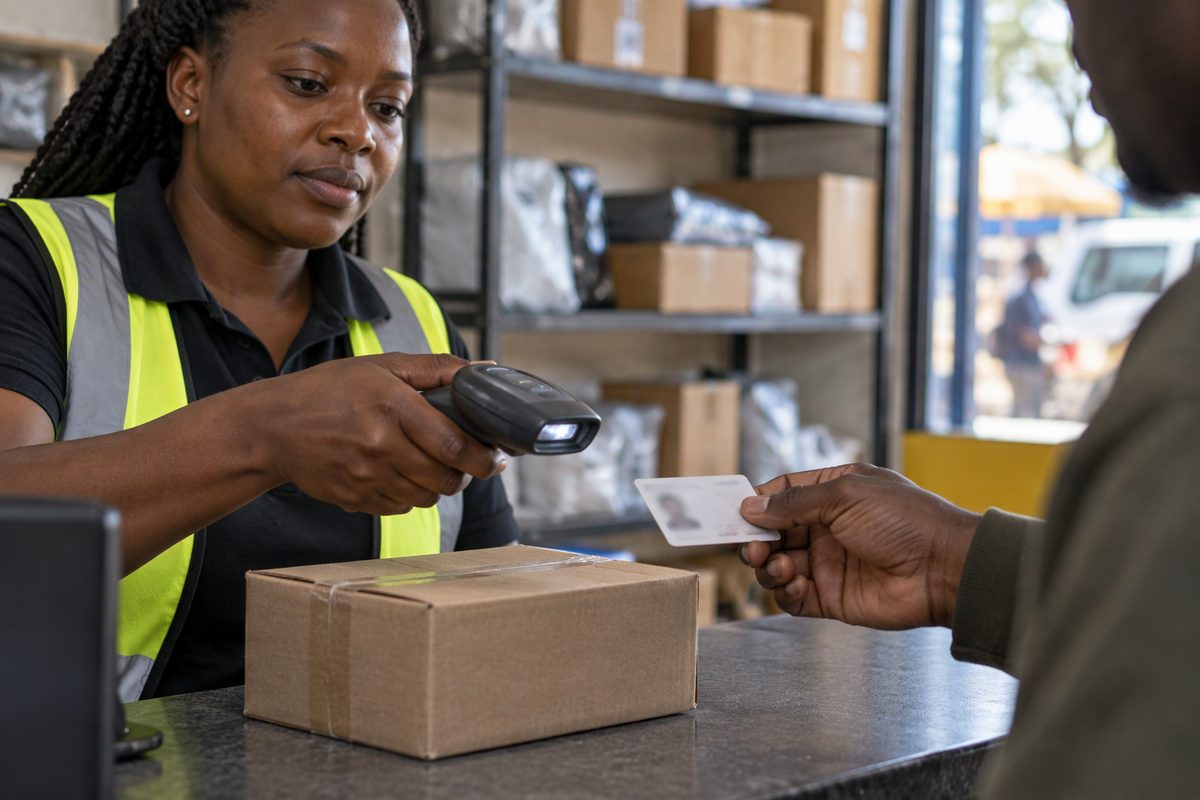
Bring a national ID, a passport or a driving licence. Also, the name on the document must match the buyer or the collector you named. If your sister is collecting, confirm her name was captured where the network requires it, which G4S does.
Send the collector a screenshot of the message and the Parcel Number. Then ask them to open the parcel at the counter before they sign. Damage found at the station is easier to argue than damage found at home.
If the parcel is cancelled or returned
A door delivery fails after 3 attempts across 5 days. Then the order is cancelled. At a station the deadline is one, but the trip is yours to plan. So a missed collection usually means a long week rather than a missed call.
If the order is cancelled, follow the refund through the platform, not through the agent. Then keep the SMS and the order number, and ask the seller whether a resend carries a new fee. A returned parcel will not call you again.
Pickup station fees against door delivery
Kilimall published pickup fees on a page dated 2023. So treat the figures as indicative. G4S self pickup runs about KES 139 in Nairobi, 199 in other cities and 679 at remote points. Kilishop runs about KES 69, 129 and 499 on the same ladder. Also, weight above 3 kg is charged on top.
Door delivery buys convenience with your own time and a bigger bill. A station buys a walk with a smaller bill and a deadline. Neither is wrong. A phone you need today suits a rider. A bulb, a cable or a pair of shoes suits a counter near the stage.
Overall, a search for pickup stations returns plenty of guesswork. Fees and timelines change, so confirm both at checkout before you pay. Jumia lists its pickup options on its own site, and how Twynon works explains the delivery side for sellers.
FAQ
Can someone else collect my parcel?
Yes, if their name is on the order or registered in advance. G4S needs the collector name and ID number before the parcel arrives. The document must be a national ID, passport or driving licence.
How long does a parcel wait at a station?
Jumia gives 5 days. Kilimall allows 7 days at G4S and 14 at Kilishop. It still expects collection within 1 to 3 days of arrival. After that the parcel is returned and a new fee applies.
Is a pickup station cheaper than door delivery?
Usually yes. Published Kilimall pickup fees start near KES 69 in Nairobi, which sits well below a rider trip. So confirm the current rate at checkout.
Twynon team
Writes the buying and selling guides on the Twynon blog.