 Twynon
Kitchen appliances in Nairobi: 6 safe checks before you pay
Kitchen appliances in Nairobi sell in three conditions, new, refurbished and used, and each one hides a different risk. Use this checklist to match the unit to your space, your power supply and your warranty before money changes hands.
Twynon team
5 November 2026 · 5 min readKitchen appliances in Nairobi come in three conditions: new, refurbished and used. Each one can be a good buy, and each one can waste your money. The difference is the checks you run before you pay.
New, refurbished or used: which one lasts
New stock is the safest and the most expensive. It arrives boxed, with a warranty card and a serial number that matches the unit. Refurbished stock was repaired or returned, so ask what was replaced and who did the work. A new compressor or element is a real repair, while a cleaned door is not.
Used stock is the cheapest and carries no warranty. For a used fridge, ask why it is leaving the house. A family upgrade is a good sign, while a repair the owner cannot afford is not. Meanwhile, a second unit for a rental kitchen can be used and still sensible.
Gas, electric or hybrid cookers compared
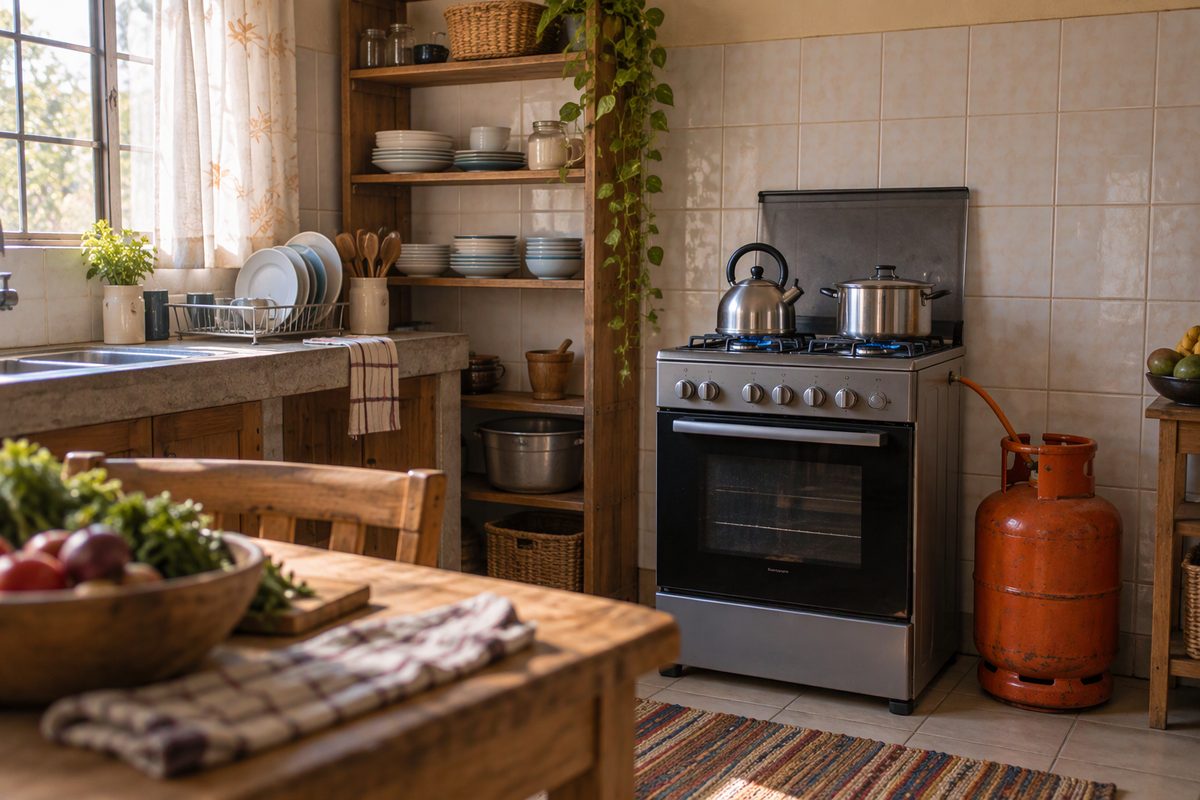
Gas gives you heat during a power cut, and it cooks fast. It also needs a cylinder, a regulator, a hose and a window or vent. The common household cylinders are 6 kg and 13 kg, so check which one your supplier refills. Inspect the hose for cracks and for its date stamp.
Electric cookers need a dedicated circuit and a socket that can carry the load. Ask an electrician to confirm the wiring before you buy, because a weak circuit trips under a hot oven. Hybrid cookers take both, with a gas hob and an electric oven. They suit a kitchen that has a cylinder and one spare socket.
Sizing kitchen appliances for space and power
Measure the gap before you fall in love with a unit. Width matters less than depth, because a fridge door has to open past the counter. Leave a gap at the back and the sides so the compressor can shed heat. Check where the socket sits, since a short cable means an extension lead, and a lead under a fridge is a fire risk.
The wall supply here is 240 volts at 50 hertz, with the three pin type G socket. Also, check the door swing against a wall, a bin or a doorway. A fridge door that barely opens will annoy you every morning.
Watts, units and the M-Pesa token bill
Running cost is arithmetic, and the sum is easy. Take the wattage on the label, multiply by the hours you use it, then divide by 1000. That gives units, or kilowatt hours. For example, a 150 watt fridge running all day uses about 3.6 units, since 150 times 24 is 3600. A 2000 watt oven element used for one hour uses 2 units.
Then look at how you buy power. Prepaid meters are topped up through M-Pesa, so the token record shows what each appliance really costs. Also, the rate per unit moves when the regulator reviews tariffs. Track your own monthly units rather than trusting a figure from last year.
Warranty cards, serial numbers and KEBS marks
The card is worth nothing if the serial number does not match the unit. Write the serial down, then compare it with the sticker on the back and with the box. Next, ask who honours the warranty, whether it is a brand workshop or the shop that sold it. Also, ask what voids it, because installation by an unapproved technician can end cover on a cooker.
Imported appliances pass a conformity check before they reach a shelf, and a legal unit carries a KEBS mark. A missing mark is a question to ask, not proof of a fake. Finally, keep the receipt, since it carries the date that starts the cover.
How to inspect used kitchen appliances before you pay
Fridge: plug it in and give it fifteen minutes. Feel the back for cold, and listen for the compressor start. Close the door on a sheet of paper and pull, because a seal that grips is a seal that holds. Look for rust at the base, which often means water has been sitting there.
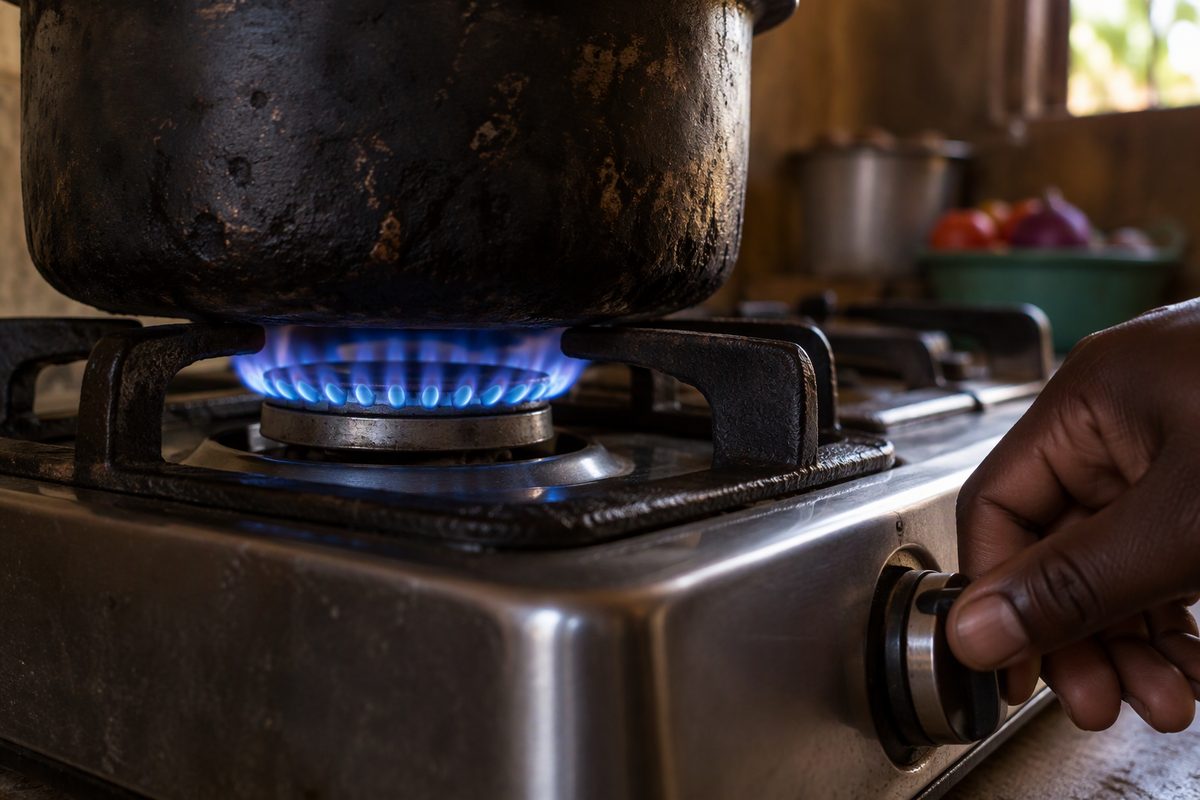
Cooker: light every burner and watch the flame. Check the oven and the grill, and look for cracks in the enamel. Microwave: heat a cup of water for a minute and listen for the fan. Blender: run it with water, then smell the motor, because a hot smell means worn brushes. Test in daylight and never in a hurry.
Moving appliances in Nairobi: stairs, lifts and gates
Agree the delivery before you pay. Tell the seller the floor, whether there is a lift, and how far the gate is from the door. A fridge will not fit in a lift that is too narrow, and a cooker will not turn on a staircase. Ask who carries the unit up, since one person cannot move a fridge alone.
Meanwhile, confirm the parking and the gate hours, because some estates lock the gate at night. A fridge should travel upright, and many makers ask you to let it stand before you switch it on. Ask what the manual says, then follow it.
A handover checklist for kitchen appliances
Run this list before the money leaves your hand. Match the serial number to the card. Light every burner and heat the oven. Feel the fridge cold and test the door seal. Open every drawer and shelf. Count the grill pan, the ice tray and the shelves. Check the plug and the cable for cuts.
Ask for a written receipt with the date, the price and the seller's number. Then keep that receipt with the warranty card, because a claim without paper is a hard conversation.
 Prices for kitchen appliances in Nairobi move with brand, size and season, so no single figure holds for long. Ask for a written quote and compare two or three shops on the same model. Overall, match the unit to your kitchen, your wiring and your budget for tokens. A cheap appliance that trips the circuit is not cheap.
The fridge buying guide covers cooling sizes in more detail, and the washing machine guide uses the same inspection method. Check any seller with the verification steps before you send a deposit, then browse items near you to compare what a unit really sells for. The International Electrotechnical Commission publishes the electrical safety standards that appliance markings refer to.
A Looking for request on Twynon works the same way. Describe the unit, add a budget and an area, and sellers reply. Then send an offer, and contact details are released only when both sides agree.
Twynon team
Writes the buying and selling guides on the Twynon blog.