 Twynon

Jumia alternatives in Kenya: 5 safe routes
Jumia alternatives in Kenya include Kilimall, Jiji, Facebook Marketplace, Instagram shops and local sellers. Each route carries a different level of buyer protection, so the item decides the choice.
Twynon team
5 November 2026 · 4 min readJumia alternatives in Kenya include Kilimall, Jiji, Facebook Marketplace, Instagram shops and local sellers. Jumia itself is a useful benchmark. It runs pickup stations, a published return window and a payment product. Still, it is not the right route for every purchase. The item, the seller and the protection you need decide the choice.
What Jumia does well
Jumia lists pickup stations across 44 counties. It allows seven-day returns for change of mind and for damaged, defective or counterfeit items. It offers pay on delivery in certain postal codes. It also offers JumiaPay with M-Pesa or Mastercard. Those features matter when you buy a standard product and want a defined process. The Jumia Kenya help pages list the current terms, so read them before you order.
However, Jumia is a marketplace with third-party sellers. The seller remains responsible for the product. So the seller profile and the category policy still matter.
Kilimall
Kilimall is another marketplace with pickup stations and seller listings. The model is similar. You choose a seller, pay through the platform or on delivery where offered, and collect from a station or receive a delivery. Then check the current return policy, the seller rating and the pickup options before you order. A marketplace is only as strong as the seller behind the listing. Do not assume that one platform's protection matches another's.
Jiji
Jiji is a classifieds site. Sellers list items, buyers contact them, and the deal usually happens directly between the two people. That can be good for local furniture, phones, cars and household items. You can inspect the item before you pay. The trade-off is that the platform does not hold the money. So meet in a safe public place and inspect the item. Check the serial number, then use a payment method with a record. A low price plus pressure to pay a deposit is the same warning on any platform.
Facebook Marketplace
Marketplace is available in Kenya. However, checkout, delivery and purchase protection are not available to Kenyan buyers according to Meta's own help pages. So treat it as a local noticeboard. The strength is proximity, because you can often see the item before you pay. The weakness is that the platform does not guarantee the transaction. Check the seller's profile, keep the chat, meet in public and inspect the item.
Instagram and WhatsApp shops
Many small Kenyan businesses sell through Instagram or WhatsApp. The photos can be excellent and the service can be personal. There is usually no checkout and no platform-held payment, though. So ask for the registered business name and a physical address or pickup point. Also ask for a live video of the item. Then use a Buy Goods Till in the business name where possible. Keep the deposit small and pay the balance on delivery. Finally, save the chat and the payment message.
Local shops and markets
Nairobi and Nakuru both have dense shopping areas where you can inspect the item before you pay. Nairobi CBD, Eastleigh and Gikomba are known for clothing, electronics and household goods. Nakuru town has furniture shops, wholesale shops and second-hand clothes dealers. The trade-off is travel, carrying and time. The advantage is that you can see the product and compare several sellers in one trip. For furniture and other bulky items, also ask the shop to arrange delivery. Then confirm the terms in writing.
Twynon as a Jumia alternative in Kenya
Twynon is built for local discovery. You can describe what you need, post a photo and let nearby sellers respond. That helps when you do not know the exact product name or when you want to compare local stock. It works best as a first step. Collect replies, check each seller, then agree on inspection and payment. The platform does not replace the checks above.
Compare Jumia alternatives in Kenya
For high-value electronics, choose a seller with a written return policy and inspect the device immediately. For furniture, choose a seller you can visit or a carrier with declared value. For fashion, ask for measurements and real photos, then start with a small order. For a rare item, use a request or a photo search and compare the replies. Whichever route you pick, the seller, the payment and the delivery terms do the rest.
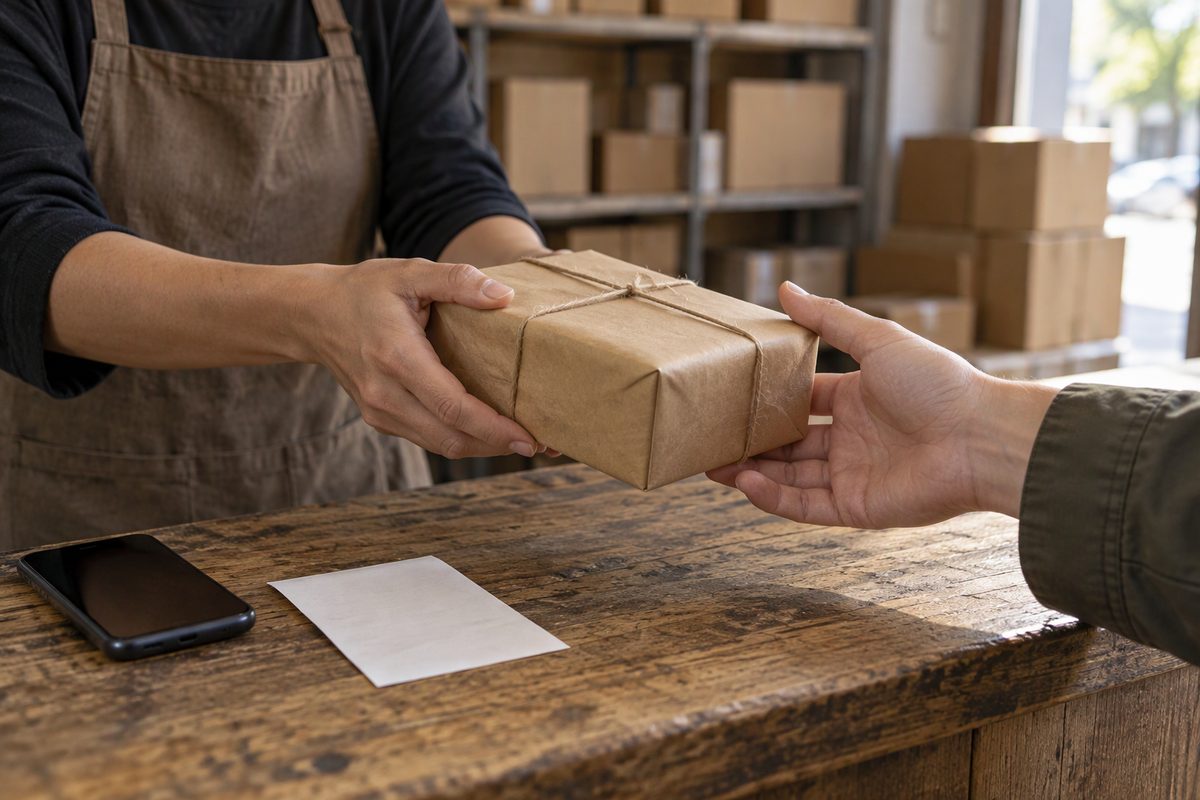
If you want nearby sellers to respond to a specific request, post it on the Looking For feed and compare the replies before you choose a platform. Explore shows what is already listed near you. Our guide to Jumia safety covers the marketplace checks in detail, and how Twynon works explains the request flow in one page.
Common questions about Jumia alternatives
Is Kilimall a good alternative to Jumia?
Kilimall is another marketplace with seller listings and pickup stations. Check the seller rating, the current return policy and the pickup options before you order.
Is Jiji safer than Jumia?
Jiji is a classifieds site, so the platform does not hold the money. It can be safer for local items you can inspect, but you carry more of the payment risk. Jumia offers a defined return process for eligible orders.
Where can I buy local items without delivery risk?
A physical shop or market lets you inspect before you pay. For bulky items, ask the shop to arrange delivery and write down the delivery terms.
Twynon team
Writes the buying and selling guides on the Twynon blog.