 Twynon
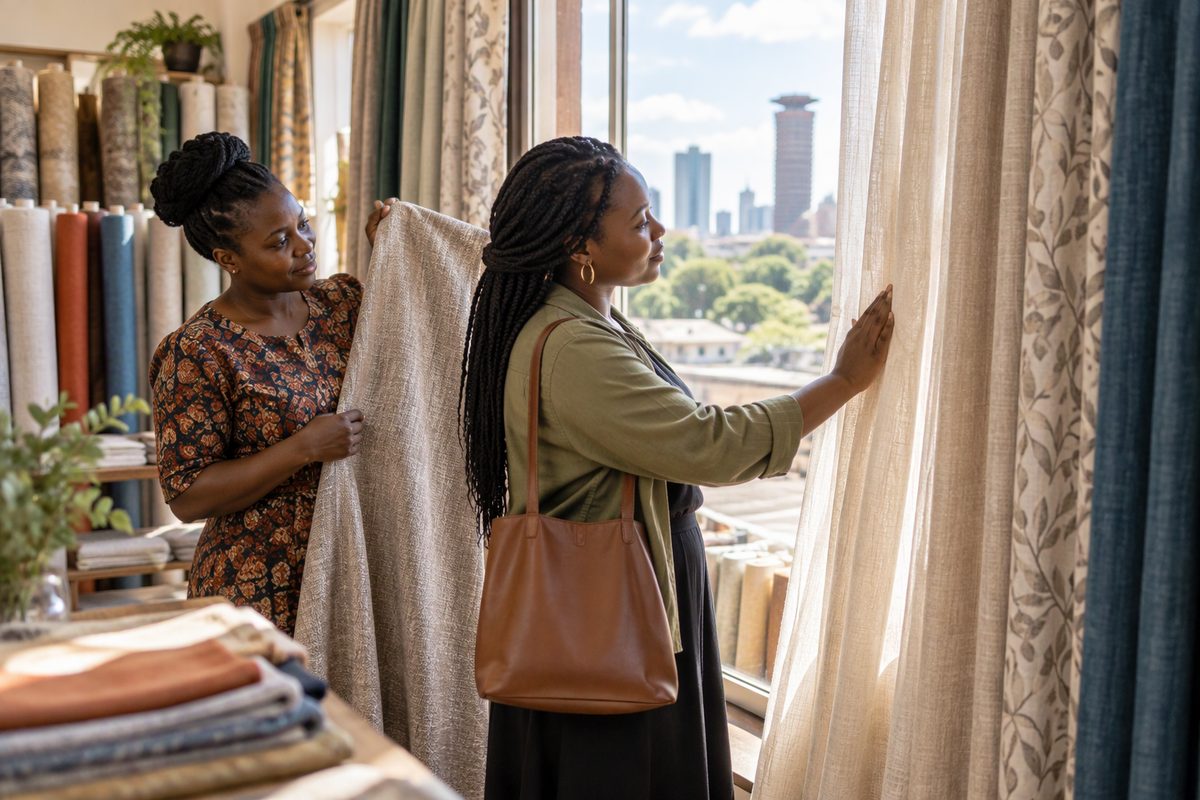
Curtains in Nairobi: 6 easy checks before you order
Curtains in Nairobi are sold in fixed sizes, and those panels rarely fit a window. Measure the width and the drop, then choose the track, the fabric weight and the lining.
Twynon team
5 November 2026 · 5 min readCurtains in Nairobi are sold in fixed sizes, and those panels rarely fit a window properly. So measure before you shop, then order to your own numbers. The measurements decide whether the curtains close, hang straight and wash well.
Measure the window and the drop
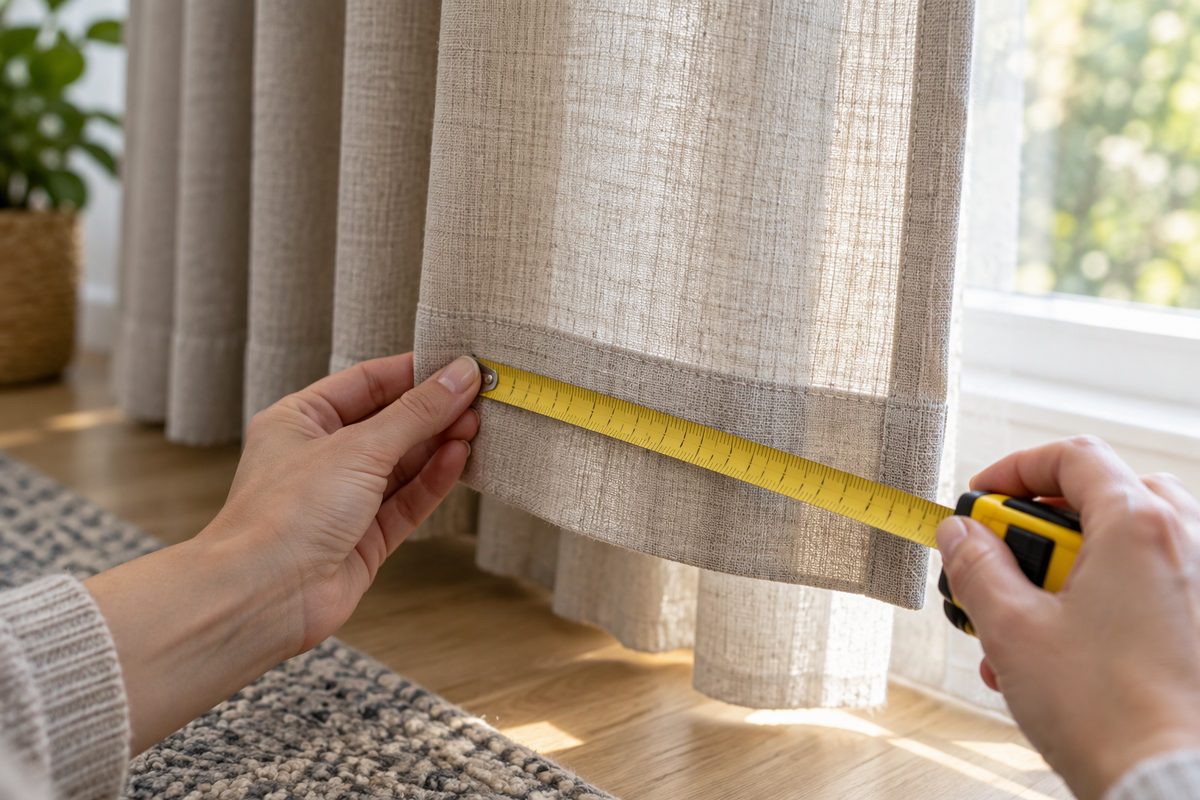
Measure the width of the window, then add the space you want the curtains to cover on each side. A track that runs wider than the glass stops light leaking around the edge. Then measure the drop from the track or rod to the point where you want the curtain to end. Note whether it finishes at the sill, just below it or at the floor. Decide the finished length before you buy fabric. A floor length curtain needs a little clearance so it does not drag.
Choose a track or a rod
A track sits close to the ceiling and carries weight quietly, which suits wide windows and heavy fabric. A rod shows above the curtain and suits lighter fabric and a decorative room. Check the brackets before you choose. A rod with two brackets will sag in the middle over a wide window, and a track needs enough fixing points to hold the weight without pulling out of the wall. Ask what the track is fixed into. Plasterboard needs different anchors from concrete, and a heavy curtain falling from a weak fixing is an avoidable accident.
Match fabric weight to the room and the window
Light cotton and voile let air and daylight through, which suits a living room that needs softness without darkness. Medium weight fabric holds a fold and hangs straighter with less care. Heavy fabric blocks light and sound, and it also holds dust. In a bedroom that faces the street, weight is worth the extra care, while a small room can feel crowded by it. Ask how the fabric behaves after washing. A fabric that shrinks will pull the hem up, and a fabric that stretches will hang unevenly.
Decide on lining before you order
Lining adds body, reduces fading on furniture and keeps heat in or out. It also adds cost and weight, so decide room by room rather than for the whole house. A blackout lining suits a bedroom or a room used for screening. A thermal lining helps a room that gets direct afternoon sun, so ask which one the room actually needs. Then ask whether the lining is sewn separately or bonded to the back. A separate lining washes and hangs better, while a bonded one can bubble with heat over time.
Plan for washing before you hang
Ask what the care label says and whether the fabric can be machine washed. Curtains collect dust from the window side first, so plan a wash before the season changes rather than after. Check the heading tape and hooks. Some headings survive washing and some lose their pleats, so ask how the pleats are set. Take the measurements again after the first wash if the fabric is cotton. A curtain that shrinks at the hem can often be let down, but only if you left a hem allowance.
Order custom sizes with the numbers in writing
Give the seller the width and the drop, then ask them to write the finished size on the order. Confirm whether the quoted width is per panel or for the pair, because that difference changes the whole price. Ask for a fabric sample if the order is large. A sample shows the colour in your own light. Then confirm the collection or delivery date and who fixes the track. A finished curtain with no track fitted is a job half done, and the fitting is usually the part that delays.
Where to shop for curtains in Nairobi
Curtain shops, fabric stalls, tailors and second hand sellers all sell curtains, and each route suits a different budget. Shops rarely stock a panel at your exact drop, so ask what they can adjust. A shop gives you a finished panel and a fitting service. A fabric stall plus a tailor is cheaper but takes longer. A second hand seller is the cheapest route, so check the heading tape and the hem twice. If a tailor delivers panels that do not match the written size, raise it before you hang them, because the Competition Authority of Kenya handles consumer complaints on custom work.
Compare prices on curtains in Nairobi
Ask three sellers for the same window and the same fabric, then compare the totals. A cheap quote often leaves out the lining, the hooks or the fitting, so check each line. Most curtains stitched by Nairobi tailors are priced per panel, so ask for the pair price. Prices also move with the fullness ratio, because a gathered heading needs roughly double the track width. Finally, ask whether the quote includes the track. A panel price without a track is not the price of a working window.
When you have the measurements ready, post a photo of the window on the Looking For feed. Nearby sellers reply with what they can make, and Explore shows the listings close to you. Our washing machine guide for Nairobi covers the machine that will wash the fabric, and how Twynon works explains the request flow in one page.
Common questions about curtains in Nairobi
Should curtains be wider than the window?
Yes. Run the track or rod wider than the glass so the curtains can sit clear of the window when open. That also stops light leaking around the edges.
How much fabric does a pleated curtain need?
It depends on the heading. A gathered heading needs roughly double the track width, while a pencil pleat needs a little more. Ask the seller to state the fullness ratio on the order so you can compare quotes.
Can I hang ready made curtains on a custom track?
Only if the panel width and drop match the track. Ready made panels are sold in fixed sizes, so a wide window usually needs two or more panels, and the join shows when they are closed.
Twynon team
Writes the buying and selling guides on the Twynon blog.