 Twynon
Check car ownership in Kenya: 7 safe steps
Check car ownership in Kenya before any money moves. The NTSA record, the chassis number and the seller's identity answer three different questions, so run all three.
Twynon team
5 November 2026 · 4 min readTo check car ownership in Kenya, you need three things. You need the car, the official record and the seller. None of the three is enough on its own. Also, a logbook can be borrowed, a plate can be moved and a broker may be selling a car they do not own. So work through the checks below before any money changes hands.
Start with the car numbers, then check the logbook
First, write down the registration number on the plate. Then note the chassis number on the frame and the engine number on the block. Compare all three with the logbook. If a number is damaged, painted over or hard to read, ask why.
A plate can move from one car to another. The chassis number is harder to change, and it is the number the official record uses. Also, take a photo of the chassis plate and the logbook before you travel.
Check the car against the NTSA copy of records
The National Transport and Safety Authority provides a motor vehicle copy of records. Log in to eCitizen, open the NTSA service portal and choose the copy of records service. Enter the registration number or the chassis number. Pay the published fee, which the NTSA lists as KES 550, then download the record from your application history.
The record lists the chassis and engine numbers, the registered owner, the make, the model and the year of manufacture. It also shows the date of registration. Check each field against the car and the logbook.
The fee is small, so check car ownership on every car you shortlist. If the record cannot be generated, ask why. A car with inconsistent paperwork is not a bargain, however good the price looks.
Check the seller against the registered car owner
The registered owner is not always the person selling. A dealer may sell on behalf of the owner, and a family member may handle the sale. That is common, but it needs a paper trail.
Ask for the seller's ID and compare the name with the record. If the names differ, ask for a written authority, a copy of the owner's ID and a clear explanation. If the seller cannot provide that, pause.
You cannot check car ownership from a photo of a logbook. Ask to see the original. Then check the logbook number, the owner's name and the car details against the NTSA record.
Match the physical car and check the numbers
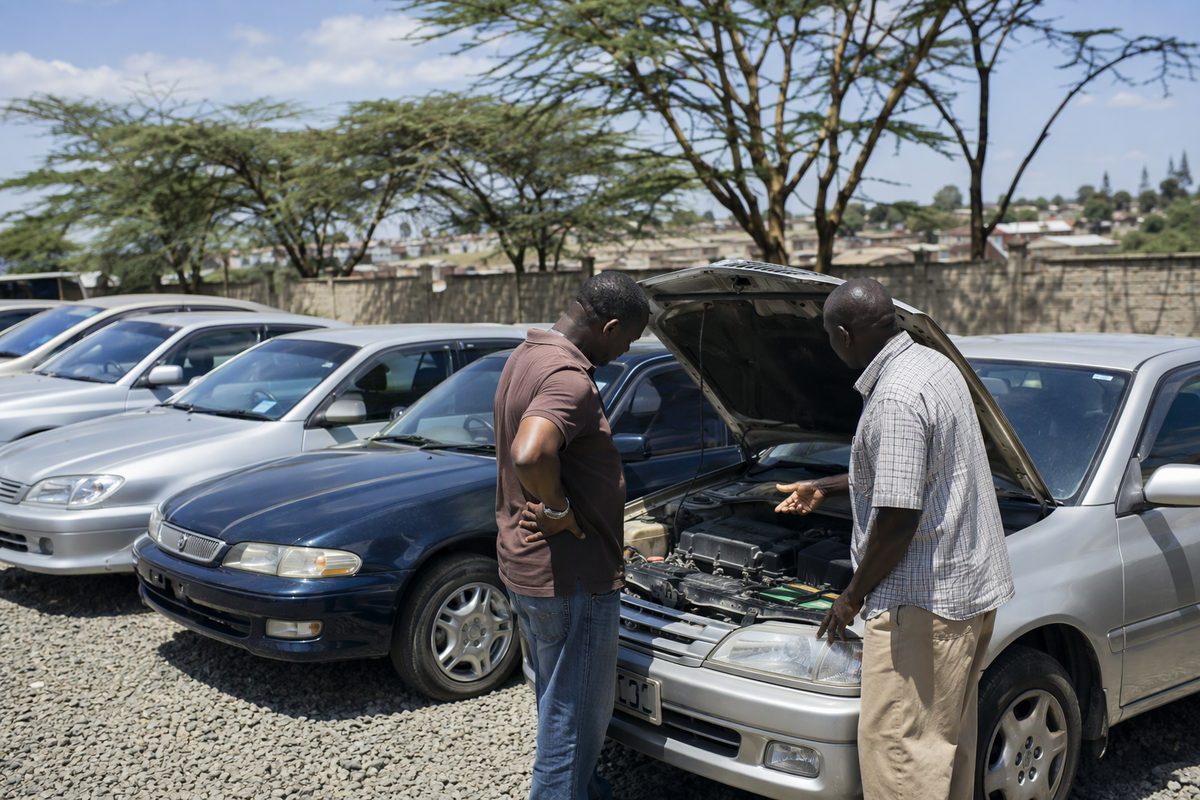
Check the chassis and engine numbers on the car against the record. Also compare the plate, the model, the year and the colour. A repainted car is not automatically a problem, but fresh paint around the chassis plate deserves a question.
Look at the tyres, the glass and the lights for mismatched ages. A car built from parts can still be legal, but the seller should explain the history. If the story changes every time you ask, walk away.
Check the logbook and the transfer process
Ask for the original logbook, the seller's ID and the KRA PIN. Confirm how the transfer will be done and who pays the transfer fee. Then use the official NTSA process rather than a handwritten arrangement.
Write a sale agreement. Name the car, the registration number, the chassis number, the price, the deposit and the date of transfer. Keep the M-Pesa or bank records. Also, do not pay the full amount before the record and the car are checked.
Get a mechanical inspection
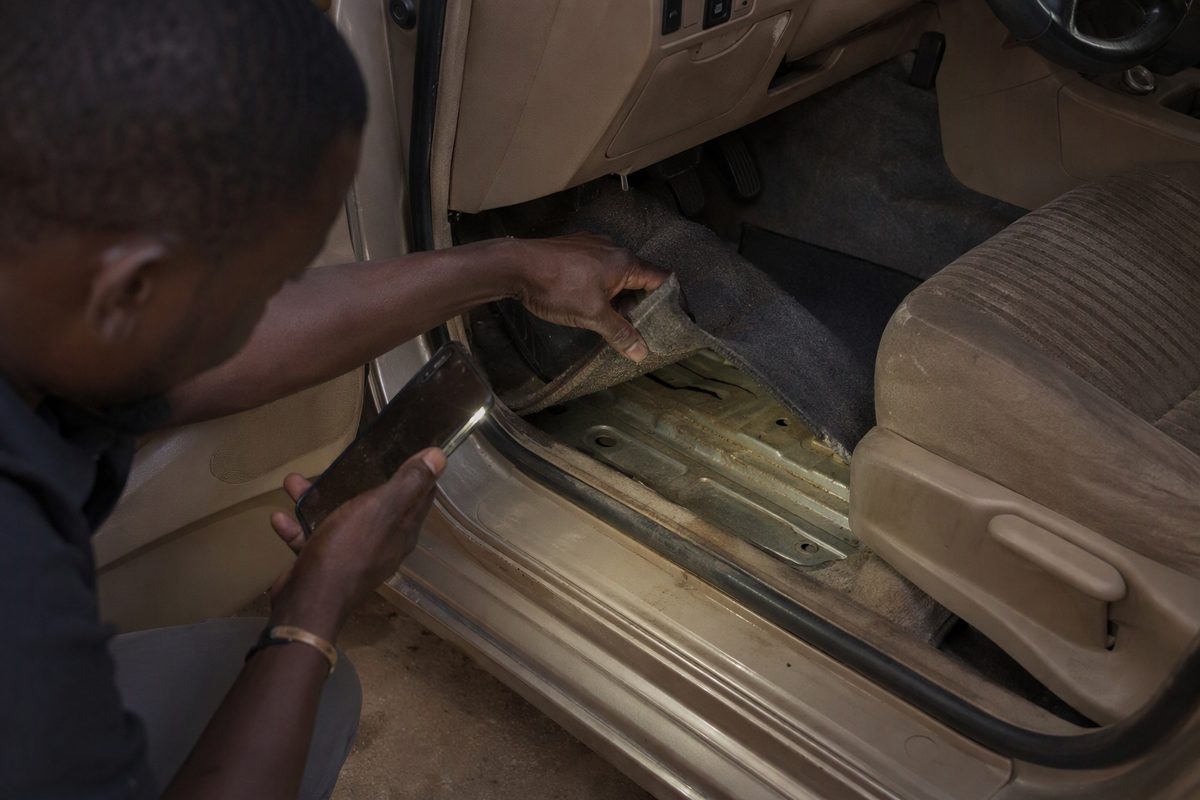
Ownership is only half the check. Take the car to an independent mechanic or a diagnostic centre. Ask for a compression test and a scan for fault codes. Then ask for a look at the suspension and the underbody. Finally, compare the mileage with the service history.
A seller who refuses an inspection is asking you to buy blind. A serious seller will allow it, especially when you pay for the inspection.
Understand what the record does not tell you
The copy of records confirms the registered owner and the vehicle details. However, it is not a full history report. It does not cover every accident, repair or financial claim on the car. If the car is expensive, ask NTSA and a lawyer about any caveats or encumbrances before you pay.
Still, do not assume that a clean record means a clean car. Use the record, the inspection and the paperwork together.
A used car ownership checklist
Note the plate, the chassis and the engine numbers. Run the NTSA copy of records. Compare the owner with the seller. Ask for the original logbook and the ID. Match the physical numbers. Book an inspection. Write a sale agreement. Keep every receipt.
For a wider view of buying from a stranger, read how to verify a seller and what the shop registration search covers. You can also browse listings on Twynon or post the car you need on the Looking For feed. The NTSA site at ntsa.go.ke lists the current service fees.
FAQ
How much does an NTSA copy of records cost?
The NTSA lists the copy of records at KES 550. The record is generated through the eCitizen NTSA portal and downloaded from your application history.
What if the seller is not the registered owner?
Ask for a written authority, a copy of the owner's ID and a clear explanation. If the seller cannot show that, do not pay.
Does the copy of records show accidents or loans?
It shows the registered owner and the vehicle details. It is not a full history report, so arrange an independent inspection and ask about financial claims before you buy.
Finally, when you check car ownership, keep the record with the sale agreement. If you are still comparing cars, describe the one you need on the Looking For feed and ask for the registration and chassis details before you travel.
Twynon team
Writes the buying and selling guides on the Twynon blog.